Tangkoko Nature Reserve
Hidden on the northeastern tip of North Sulawesi, Tangkoko Nature Reserve is one of Indonesia's most remarkable wildlife destinations.
Located near the coastal village of Batuputih in Bitung, Tangkoko offers an opportunity to step into a tropical forest where some of Sulawesi's most distinctive endemic animals still live freely in their natural habitat.
This is not simply a place to admire beautiful scenery.
Tangkoko is a place to slow down, enter the forest, listen carefully, and discover a side of Sulawesi that has remained wild for generations.
Towering tropical trees, tangled roots, dense vegetation, volcanic landscapes, and the sounds of birds and wildlife create an experience that feels far removed from city life.
For nature lovers, wildlife photographers, birdwatchers, or anyone curious about Sulawesi's extraordinary biodiversity, Tangkoko is one of the destinations that should not be missed.
---
Why Visit Tangkoko?
Sulawesi developed in relative geographic isolation, allowing many species to evolve differently from animals found elsewhere in Indonesia.
Tangkoko protects part of this extraordinary biodiversity.
Inside and around the conservation area, visitors may encounter animals such as:
- Sulawesi Crested Black Macaque / Yaki (*Macaca nigra*)
- Tarsier / Tangkasi
- Sulawesi Bear Cuscus
- Maleo
- Knobbed Hornbill / Sulawesi Hornbill
- Various forest birds, reptiles, insects, and other native wildlife
Wildlife encounters are never completely predictable, and that is part of what makes exploring Tangkoko special.
Every walk into the forest can feel different.
---
Meet the Yaki
One of the most iconic animals of Tangkoko is the Sulawesi crested black macaque, locally known as Yaki.
Recognizable by its almost entirely black body and distinctive crest of hair on its head, the Yaki is native to northern Sulawesi.
They are highly social animals and often move through the forest in groups.
Visitors may see them searching for food, resting beneath the trees, grooming one another, playing, or moving together across the forest floor.
Watching a group of Yaki interact from a respectful distance can easily become one of the most memorable moments of a visit to Tangkoko.
Remember that these are wild animals.
Avoid feeding them, touching them, or attempting to attract their attention for photographs.
---
Searching for the Tarsier
Another famous resident of Tangkoko is the tarsier, locally called Tangkasi.
This tiny nocturnal primate is immediately recognizable by its enormous eyes, small body, long fingers, and remarkable ability to move between tree branches.
Because tarsiers are primarily active around dusk and during the night, visitors commonly search for them during a late-afternoon or evening forest walk.
As daylight disappears, the atmosphere of Tangkoko begins to change.
The forest becomes quieter in some places and more alive in others as nocturnal species start becoming active.
With the assistance of an experienced local guide, visitors may have the opportunity to observe tarsiers emerging from their sleeping trees before disappearing into the darkness of the forest.
It is one of Tangkoko's signature wildlife experiences.
---
A Forest Shaped by Volcanoes
Tangkoko is more than a wildlife destination.
The landscape itself is part of the experience.
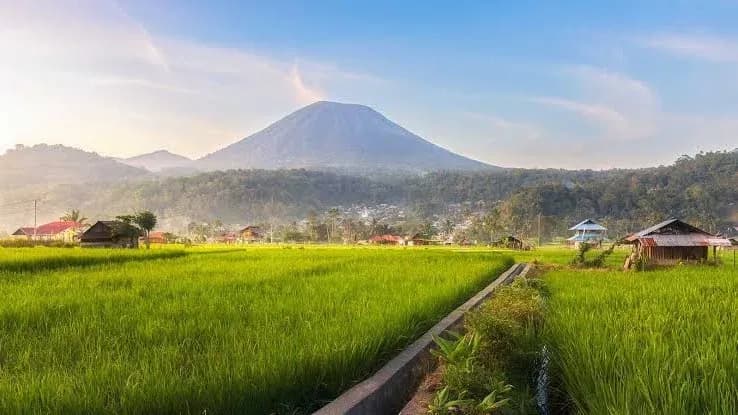
The conservation area stretches across environments ranging from coastal and lowland forest to mountainous tropical forest.
Two prominent volcanic features dominate the landscape:
- Mount Tangkoko — approximately 1,109 meters above sea level
- Mount Batuangus — approximately 450 meters above sea level
These changing elevations help create several forest ecosystems and provide habitat for a wide variety of plants and animals.
Large trees such as ficus and other tropical species form dense forest canopies, while vines, palms, ferns, and smaller vegetation fill the forest below.
Walking through Tangkoko often feels like entering several different layers of tropical forest within a single journey.
---
Wildlife Watching
Wildlife observation is the main reason many travelers come to Tangkoko.
Unlike a zoo or wildlife park, animals here live freely in their natural environment.
There is no guarantee that every species will appear during every visit.
Instead, the experience is about exploring the forest and allowing wildlife encounters to happen naturally.
A typical wildlife walk may include:
- Tracking groups of Yaki through the forest
- Searching tree branches for cuscus
- Listening for hornbills flying above the canopy
- Observing endemic forest birds
- Searching for tarsiers near sunset
- Discovering insects, reptiles, and smaller forest species along the trail
Patience often produces the best experience.
Sometimes the most memorable encounter happens when you simply stop walking and listen.
---
Birdwatching in Tangkoko
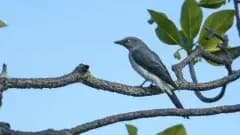
Tangkoko is also an excellent destination for birdwatchers.
The forests of northern Sulawesi are home to numerous bird species, including species found only within the Sulawesi region.
One of the most impressive sights is the Sulawesi hornbill, which may sometimes be heard before it is seen as it moves across the forest canopy.
Bird activity is generally easier to observe during quieter periods of the day, especially in the morning.
Travelers interested specifically in birdwatching should consider starting their exploration early and informing their guide beforehand so the route and walking pace can be adjusted.
---
Forest Trekking
Exploring Tangkoko usually involves walking through forest trails accompanied by a local guide.
The experience does not necessarily require difficult mountain trekking.
Many wildlife routes pass through relatively accessible lowland forest, although trail conditions can change depending on weather.
Expect:
- Tropical humidity
- Uneven forest ground
- Tree roots
- Mud after rainfall
- Mosquitoes and other insects
- Short sections through dense vegetation
Comfortable walking shoes and lightweight clothing make the experience significantly more enjoyable.
For travelers looking for longer adventures, additional routes can provide a deeper exploration of the surrounding conservation landscape.
---
Morning Experience
The early morning is one of the most peaceful times to explore Tangkoko.
The temperature is generally more comfortable, the forest is filled with bird calls, and several daytime animals begin becoming active.
A morning trip is particularly suitable for travelers interested in:
- Yaki
- Birdwatching
- Wildlife photography
- Forest landscapes
- A quieter trekking experience
Soft morning light filtering through the trees can also create beautiful conditions for photography.
---
Afternoon & Evening Experience
Late afternoon offers a different side of Tangkoko.
As temperatures begin to fall, visitors can explore the forest while waiting for nocturnal animals to become active.
This period is particularly popular for visitors hoping to see tarsiers.
A typical afternoon experience might begin with a forest walk in search of Yaki and other wildlife before continuing toward known tarsier habitat closer to sunset.
When daylight fades and the forest transitions into night, Tangkoko becomes an entirely different environment.
Bring a flashlight or headlamp if your visit continues after sunset.
---
Photography
Tangkoko is an extraordinary destination for wildlife and nature photography.
Possible subjects include:
- Sulawesi crested black macaques
- Tarsiers
- Hornbills
- Cuscus
- Tropical birds
- Ancient forest trees
- Rainforest landscapes
- Macro wildlife
- Forest textures and vegetation
For wildlife photography, a telephoto lens is highly recommended.
Avoid getting unnecessarily close to animals for photographs.
For nocturnal wildlife such as tarsiers, follow your guide's instructions regarding artificial lighting and flash photography.
Protecting the animals should always take priority over getting the perfect photograph.
---
Local Guides
Exploring Tangkoko with a local guide is strongly recommended.
Experienced guides understand the forest and often know:
- Where wildlife groups commonly move
- Which trees may be used by tarsiers
- Where particular birds are commonly observed
- How to recognize wildlife calls
- Which trails are suitable according to current conditions
- How visitors should behave around wild animals
Beyond helping visitors find wildlife, guides also provide valuable insight into the forest ecosystem and conservation efforts.
Using local guides also helps tourism create direct economic value for communities surrounding the conservation area.
---
Best Time to Visit
Tangkoko can be visited throughout the year.
For wildlife experiences, early morning and late afternoon are generally the most interesting periods because animal activity tends to be higher and temperatures are more comfortable for walking.
Weather in tropical North Sulawesi can change quickly.
Rain is possible even outside periods normally associated with wetter weather.
If heavy rain occurs, forest trails may become muddy and slippery.
Visitors should therefore prepare for tropical conditions regardless of the season.
---
Recommended Duration
Half Day
A half-day visit is suitable for travelers who want to focus on one primary wildlife experience.
Popular options include:
- Morning wildlife trekking
- Afternoon wildlife trekking followed by tarsier watching
Full Day
A full-day experience allows more time to explore the forest at different periods of activity.
This option is recommended for:
- Wildlife enthusiasts
- Photographers
- Birdwatchers
- Travelers who prefer slower exploration
A longer visit increases the opportunity to observe different species without rushing through the forest.
---
How to Get There
Tangkoko Nature Reserve is located near Batuputih, Bitung, North Sulawesi.
Most travelers begin their journey from Manado.
From Manado
The journey from Manado to the Tangkoko area generally takes around 1.5–2 hours by road, depending on traffic, route, and starting location.
The route passes toward Bitung before continuing north toward Batuputih.
Private cars, rental vehicles, tour operators, and arranged transportation are commonly used.
From Bitung
Travelers already staying in Bitung can continue by road toward Batuputih and the entrance to the Tangkoko tourism area.
From Sam Ratulangi International Airport
Travelers arriving at Sam Ratulangi International Airport (MDC) can continue directly toward Tangkoko by road or stay in Manado before traveling to the reserve.
For travelers focused primarily on wildlife photography or nature exploration, staying around Batuputih can make early-morning forest trips easier.
---
What to Bring
For a comfortable trip to Tangkoko, consider bringing:
- Comfortable walking or trekking shoes
- Lightweight and breathable clothing
- Long trousers
- Insect repellent
- Drinking water
- Small backpack
- Hat or cap
- Rain jacket or poncho
- Sunscreen
- Flashlight or headlamp for evening walks
- Camera
- Telephoto lens for wildlife photography
- Binoculars for birdwatching
Avoid carrying unnecessary items that make trekking uncomfortable.
---
Responsible Travel
Tangkoko is a protected natural environment and home to wildlife that depends on the forest for survival.
Visitors can help protect the area by following several simple principles:
1. Do not feed wildlife
2. Do not touch wild animals
3. Keep a respectful distance
4. Do not remove plants, rocks, or other natural materials
5. Avoid loud noises
6. Take all rubbish out of the forest
7. Stay on designated or guide-approved trails
8. Follow instructions from guides and conservation officers
9. Avoid disturbing animals for photographs
10. Never leave food or plastic waste behind
Wildlife should remain wild.
The best encounter is one where visitors can observe an animal without changing its natural behavior.
---
Conservation
Tangkoko has been recognized as an important conservation area for more than a century.
Its forests provide critical habitat for several species found only in Sulawesi and the surrounding region.
Protecting Tangkoko therefore means protecting far more than a beautiful landscape.
It means preserving a unique evolutionary ecosystem and the wildlife that depends on it.
Tourism can contribute positively when visitors travel responsibly, use local guides, support surrounding communities, and respect conservation regulations.
Every responsible visit helps reinforce the value of keeping this forest alive for future generations.
---
Who Should Visit Tangkoko?
Tangkoko is especially recommended for:
Nature Lovers
Experience one of North Sulawesi's most distinctive tropical forest environments.
Wildlife Enthusiasts
Search for species that cannot easily be encountered elsewhere.
Photographers
Capture wildlife, forests, birds, and intimate moments in nature.
Birdwatchers
Explore one of Sulawesi's fascinating bird habitats.
Adventure Travelers
Walk through tropical forest while discovering a completely different side of North Sulawesi.
Families
Older children interested in animals and nature can gain an unforgettable introduction to wildlife conservation.
---
Combine Tangkoko With Other Destinations
Tangkoko works especially well as part of a wider North Sulawesi journey.
Consider combining it with:
- Manado
- Bitung
- Lembeh Strait
- Bunaken
- Likupang
- Minahasa Highlands
A journey combining Tangkoko and Lembeh offers an especially interesting contrast.
In Tangkoko, travelers explore the biodiversity of Sulawesi's tropical forest.
In Lembeh, the journey continues beneath the sea into one of North Sulawesi's remarkable marine ecosystems.
Together, they reveal how diverse North Sulawesi can be within a relatively compact region.
---
Experience Tangkoko
Tangkoko is not the kind of destination where the experience is defined by a single viewpoint or attraction.
Its magic comes from the small moments.
The sound of a hornbill crossing the canopy.
A group of Yaki quietly moving between the trees.
Leaves moving somewhere above the trail.
A tiny tarsier appearing from a tree as daylight disappears.
And the feeling of standing inside a forest that is still alive with species found almost nowhere else on Earth.
For travelers willing to walk slowly, observe carefully, and respect the natural environment, Tangkoko offers one of the most memorable wildlife experiences in North Sulawesi.
---
Quick Information
| Information | Details |
|---|---|
| Destination | Tangkoko Nature Reserve |
| Indonesian Name | Cagar Alam Gunung Tangkoko Batuangus |
| Location | Batuputih, Bitung, North Sulawesi |
| Country | Indonesia |
| Coordinates | 1.521, 125.1877 |
| Destination Type | Nature Reserve / Wildlife |
| Main Experience | Wildlife Watching & Forest Trekking |
| Signature Wildlife | Yaki & Tarsier |
| Recommended Duration | Half Day – Full Day |
| Recommended Guide | Yes |
| Best Visit Period | Early Morning / Late Afternoon |
| Suitable For | Nature, Wildlife, Photography, Birdwatching, Adventure |
---
Short Description
Discover the wild side of North Sulawesi at Tangkoko Nature Reserve, a tropical forest sanctuary near Bitung where visitors can encounter endemic wildlife including the Sulawesi crested black macaque, tarsiers, cuscus, hornbills, and other remarkable species in their natural habitat.
---
Card Description
Explore Tangkoko's tropical rainforest and encounter some of Sulawesi's most iconic wildlife, from the black-crested Yaki to the tiny nocturnal tarsier.
---
Meta Title
Tangkoko Nature Reserve — Wildlife Adventure in North Sulawesi
Meta Description
Explore Tangkoko Nature Reserve in Bitung, North Sulawesi. Discover endemic wildlife, including Yaki, tarsiers, cuscus, and hornbills, while trekking through one of Sulawesi's remarkable tropical forests.
SEO Keywords
Tangkoko Nature Reserve, Tangkoko North Sulawesi, Tangkoko Bitung, Tangkoko wildlife, Tarsier Sulawesi, Yaki Sulawesi, Macaca nigra, Batuputih Bitung, North Sulawesi wildlife, Tangkoko trekking, Tangkoko tour, wildlife Indonesia, things to do in North Sulawesi
Image Alt Text
Tropical rainforest and endemic wildlife inside Tangkoko Nature Reserve in Bitung, North Sulawesi, Indonesia.
Visual Perspectives
Field photographs and coastal landscapes from this protected destination.
Explore Other Destinations
Continue discovering protected rainforest and marine habitats across North Sulawesi.