West Papua
# West Papua
# Birding in West Papua is an adventure into some of the most remarkable forests in Indonesia.
The trekking experience varies between Malagufuk and Waigeo, giving the journey a combination of lowland rainforest walking, forest trails, birding hides, and island exploration.
⸻
# Malagufuk – Walking into the Rainforest
# One of the most memorable parts of visiting Malagufuk is the journey into the forest.
From the road, the route continues on foot toward Malagufuk village through lowland rainforest. The main access route includes a long boardwalk of approximately 3–3.5 km, although conditions can vary. The boardwalk makes the main walk relatively accessible, but it can become slippery when wet.
# The walk itself is not simply transportation.
# It is already part of the birding experience.
Along the way, we may stop repeatedly for birds moving through the canopy, kingfishers, pigeons, parrots, hornbills, monarchs, and other forest species.
Once we reach Malagufuk village, additional forest trails lead toward birding locations and hides used to search for Birds-of-Paradise and other specialty birds.
Some of these side trails can be muddy and uneven, although many of the birding areas are relatively gentle compared with mountain trekking destinations.
# Birding Trails & Hides
The most exciting birding locations are often reached by walking from the village.
Depending on the target species, we may walk through forest trails to reach hides or traditional viewing locations.
# Possible targets include:
- King Bird-of-Paradise
- Twelve-wired Bird-of-Paradise
- Lesser Bird-of-Paradise
- Magnificent Bird-of-Paradise
- Magnificent Riflebird
- Glossy-mantled Manucode
- Pittas
- Kingfishers
- Other Papuan forest specialties
Some walks can last for several hours, particularly when we are following birds or moving between different locations.
We take the walks at a birding pace rather than a hiking pace.
That means frequent stops, quiet observation, photography, and time to rest.
⸻
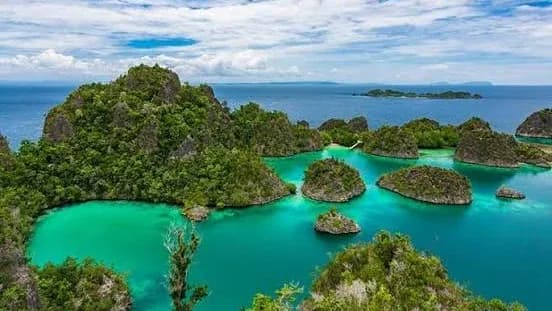
# Waigeo – Island Birding in Raja Ampat
After exploring the mainland rainforest of Malagufuk, the journey can continue to Waigeo Island, one of the principal islands of the Raja Ampat archipelago.
# Waigeo offers a completely different birding environment.
Instead of focusing on the lowland mainland forest of Malagufuk, birding in Waigeo takes place within tropical island forests surrounded by the spectacular landscapes of Raja Ampat.
For serious birdwatchers, Waigeo is especially important for its Birds-of-Paradise and other Papuan island specialties.
# Birds of Waigeo
# The main birding targets in Waigeo include:
- Wilson’s Bird-of-Paradise
- Red Bird-of-Paradise
- Raja Ampat Pitohui
- Moluccan King Parrot
- Eclectus Parrot
- Rufous-bellied Kookaburra
- Palm Cockatoo
- Other Papuan forest birds
The exact species encountered can vary according to season, habitat, weather, and the particular areas explored.
⸻
# Searching for Wilson’s Bird-of-Paradise
For many birdwatchers, Wilson’s Bird-of-Paradise is one of the main reasons to visit Waigeo.
This extraordinary bird is endemic to the Raja Ampat region and is famous for its brilliant colors and distinctive curled tail feathers.
Finding Wilson’s Bird-of-Paradise requires an early start.
The walk usually begins before sunrise, allowing us to reach the viewing area while the forest is still quiet.
The trail can include uneven ground, roots, rocks, and uphill sections.
Once at the viewing location, patience becomes essential.
We remain quiet and wait for the bird to appear naturally.
Watching a male Wilson’s Bird-of-Paradise perform its display in the forest is one of the most memorable experiences of birding in Raja Ampat.
⸻
# Searching for the Red Bird-of-Paradise
Another major target in Waigeo is the spectacular Red Bird-of-Paradise.
The males are famous for their brilliant red plumage and elaborate display behavior.
Birding for this species generally begins early in the morning, when forest activity is at its highest.
Depending on the location, reaching the birding area may require walking along forest trails with some uphill and downhill sections.
The trail is not necessarily a long mountain trek, but the tropical heat, humidity, uneven ground, and occasional slippery conditions can make the walk physically demanding.
The reward is the opportunity to watch one of the world’s most spectacular Birds-of-Paradise in its natural habitat.
⸻
# Trekking in Waigeo
Trekking in Waigeo is generally focused on reaching specific birding locations rather than covering long distances.
Some trails are relatively easy, while others involve short but steeper sections, particularly when reaching Bird-of-Paradise viewing areas.
Depending on the location, expect:
- Uneven forest trails
- Tree roots and rocks
- Short uphill and downhill sections
- Mud after rainfall
- Slippery ground
- Dense tropical vegetation
- Early-morning walks before sunrise
- Long periods of standing quietly at birding locations
# The pace is always adjusted to the group.
We walk slowly, stop frequently to look and listen for birds, and allow enough time for photography and rest.
The objective is not to complete the trail quickly.
# The objective is to find the birds.
⸻
# What to Expect
# Throughout a West Papua birding expedition, be prepared for:
- Hot and humid tropical conditions
- Wet and slippery trails after rain
- Uneven forest ground
- Muddy paths
- Short uphill and downhill sections
- Long periods of slow walking
- Early starts before sunrise
- Standing quietly at birding locations
- Occasional rain
- Boat transfers in Raja Ampat
- Simple conditions in remote forest locations
The level of difficulty varies depending on the birding location.
Malagufuk’s main access route is relatively manageable, while some of the smaller forest trails can become more demanding because of mud and uneven terrain.
In Waigeo, the walks to Bird-of-Paradise viewing areas may include steeper sections, but they are primarily forest birding walks rather than technical mountain trekking.
⸻
# What to Bring
# Essential
- Binoculars
- Camera with telephoto lens
- Waterproof rain jacket or poncho
- Hiking shoes or waterproof boots
- Headlamp or flashlight
- Insect repellent
- Refillable water bottle
- Small backpack
- Personal medication
# For the Forest
- Quick-drying shirt and trousers
- Extra socks
- Waterproof bag or dry bag
- Camera rain cover
- Hat or cap
- Small towel
- Snacks
- Lightweight trekking poles
Waterproof footwear is particularly useful because tropical rain can quickly make forest trails wet and slippery.
⸻
# For Bird Photographers
# A long telephoto lens is highly recommended for West Papua.
Birds-of-Paradise may be high in the forest canopy, and many viewing locations require photographers to maintain a respectful distance from the birds.
A comfortable camera setup is important because equipment may need to be carried for several hours.
We also recommend protecting cameras and lenses from tropical rain and humidity. A simple rain cover, waterproof bag, or dry bag can make a significant difference during forest walks and boat transfers.
⸻
# Physical Preparation
You do not need to be an experienced mountaineer to join a Malagufuk and Waigeo birding expedition.
However, you should be comfortable walking for several hours, walking on uneven forest trails, and standing for extended periods while waiting for birds.
The most important qualities are patience, mobility, and preparation.
We walk slowly, take breaks when needed, and adjust the pace according to the group and the conditions.
The purpose is not to complete a trek as quickly as possible.
# The purpose is to find birds.
And in West Papua, sometimes the most rewarding bird appears only after you have been sitting quietly in the forest for an hour.
Visual Perspectives
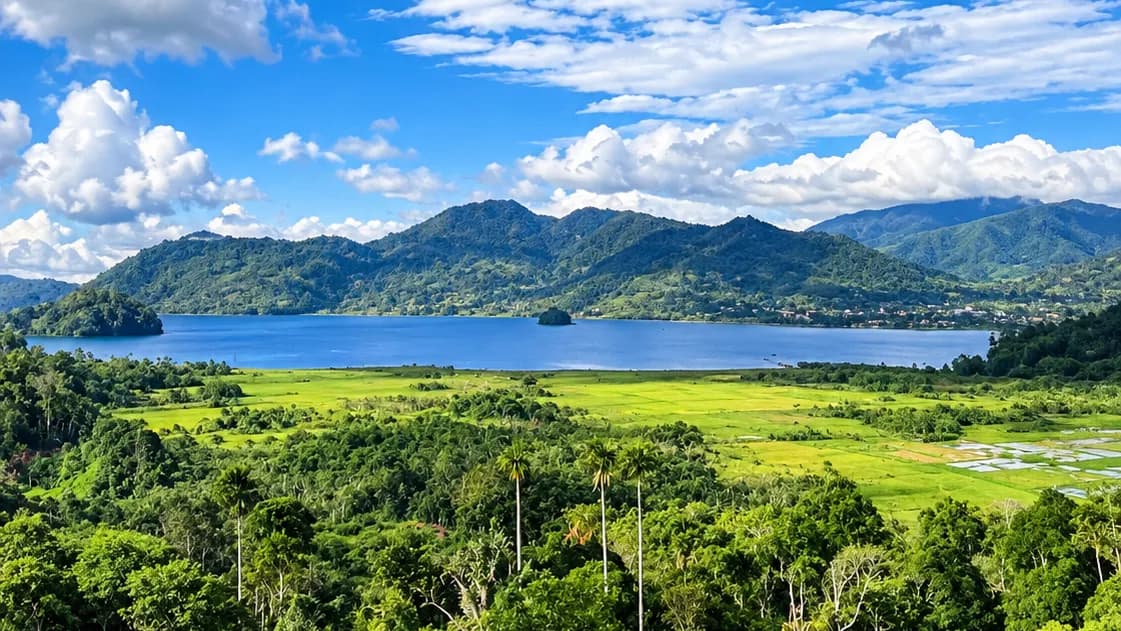
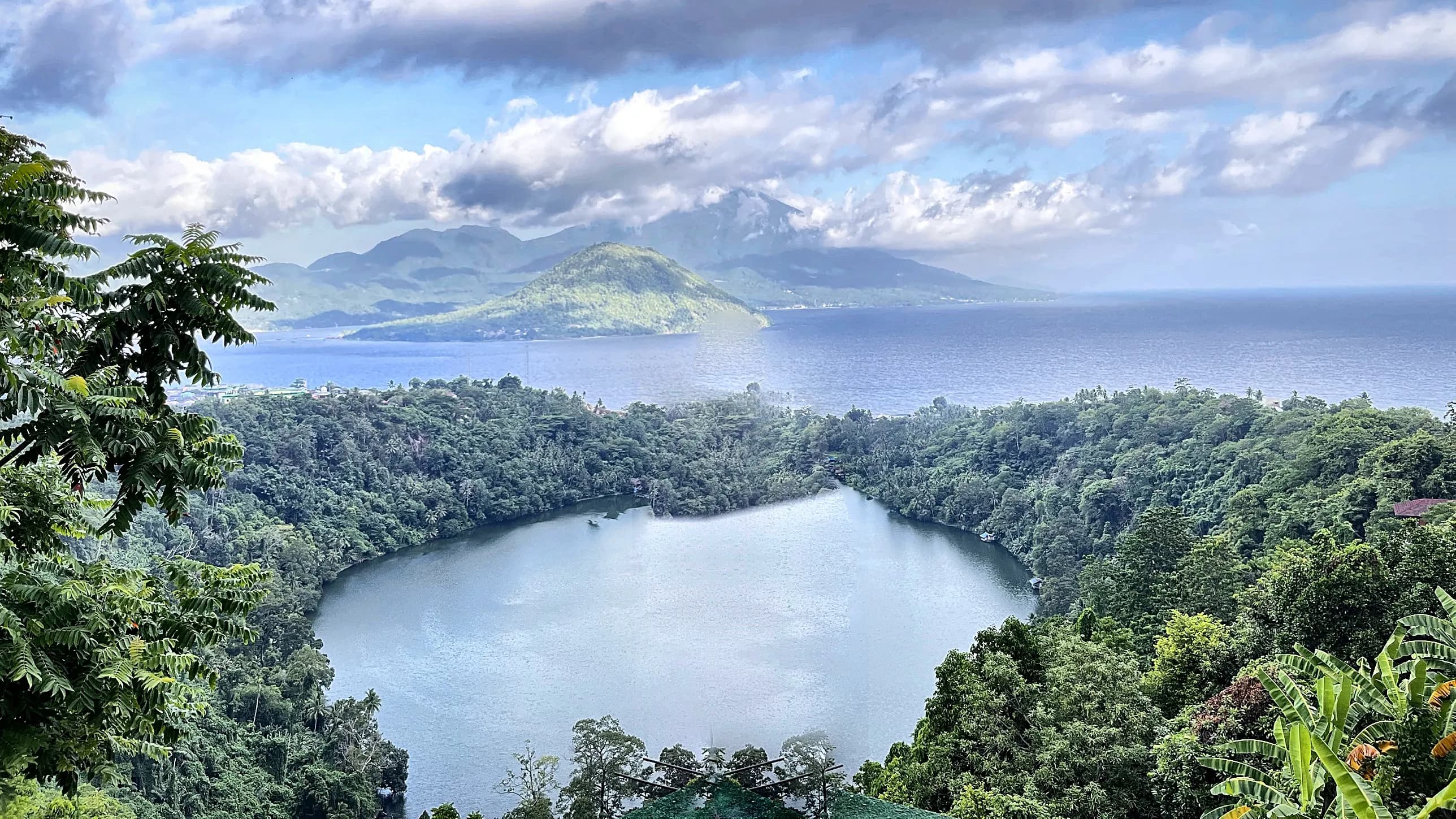
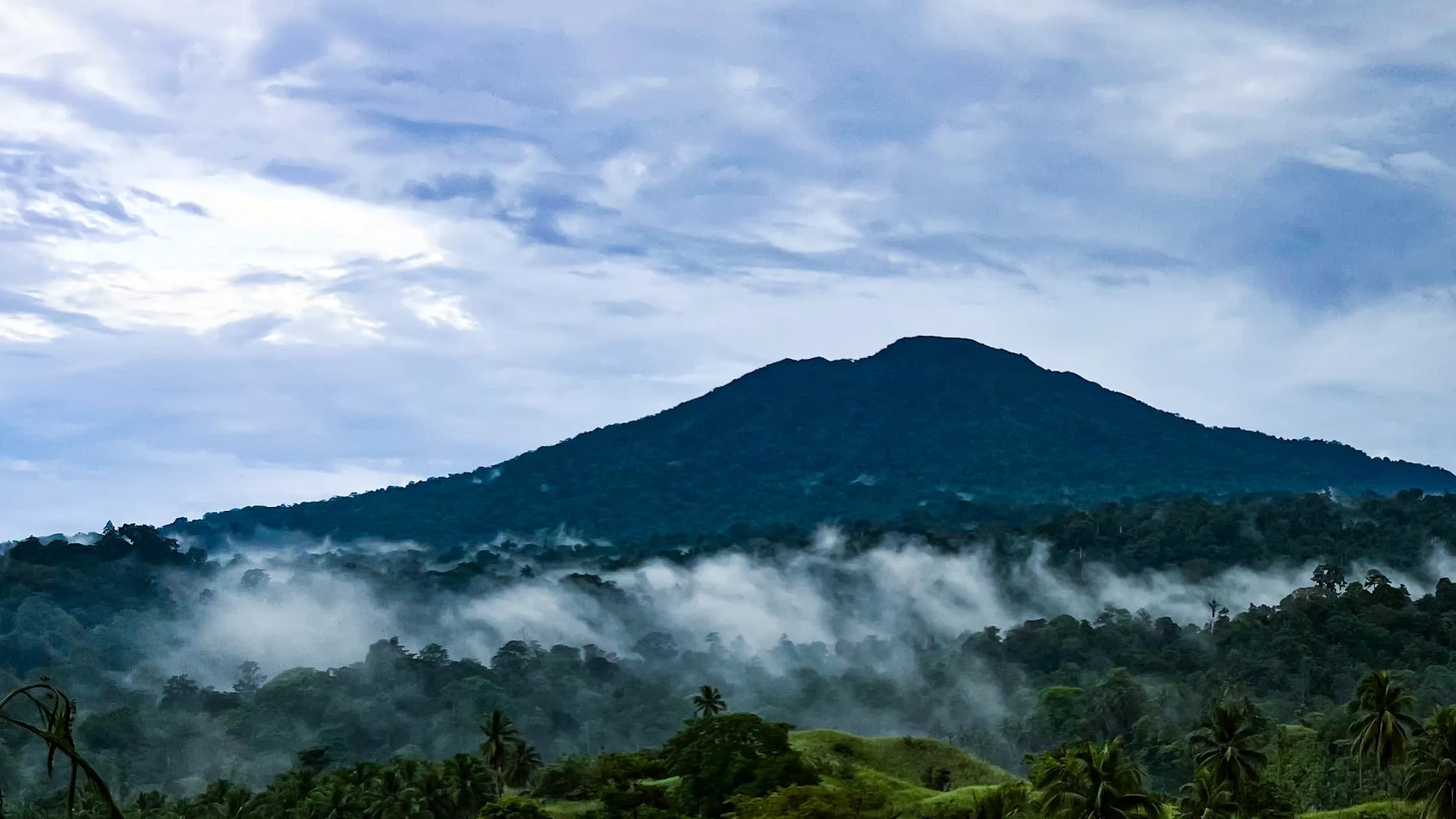
Field photographs and coastal landscapes from this protected destination.
Explore Other Destinations
Continue discovering protected rainforest and marine habitats across North Sulawesi.